The European Union is preparing new import rules for steel. These measures may affect future steel shipments as well as the information required for customs declarations. Below we outline the key points.
Why this change?
The European Parliament and the Council of the EU have reached an agreement to better protect the European steel sector against global overcapacity. Formal approval is expected shortly.
The new rules are expected to enter into force on 1 July 2026, when the current steel safeguard measures expire.
What will change?
1. New steel import quotas
- An annual import quota of 18.3 million tonnes of steel
- Applicable to 30 categories of steel products
- Imports above the quota will be subject to an additional import duty of 50%
- Imports within the quota can continue as usual
Imports outside the quota will therefore become significantly more expensive.
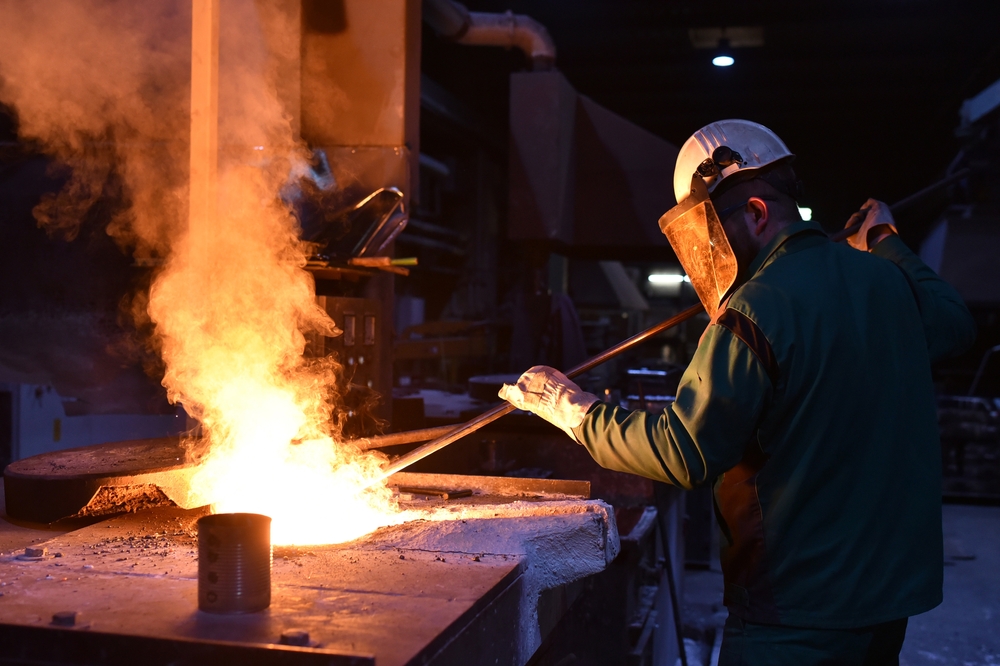
2. New “melt & pour” requirement
The EU wants to know where the steel was actually melted and poured, not just where it was processed or shipped from.
- A statement or certificate will likely be required
- To be provided by the importer or the supplier